
Diabetes in Women: 4 Symptoms You Shouldn’t Ignore
Diabetes manifests differently in men and women due to hormonal and physiological differences. Women often experience specific symptoms that require attention and awareness. Recognizing these signs early can lead to timely diagnosis and better management of the condition. Here are four signs of diabetes that are unique to women:
1. Frequent Yeast Infections

High blood sugar levels create an ideal environment for yeast (Candida) to grow, leading to recurrent infections in the vaginal area. Symptoms may include itching, redness, and unusual discharge. Women with unmanaged diabetes are more prone to these infections as glucose-rich bodily fluids support yeast growth.
Image: A representation of a woman consulting a doctor about vaginal discomfort.
2. Polycystic Ovary Syndrome (PCOS)
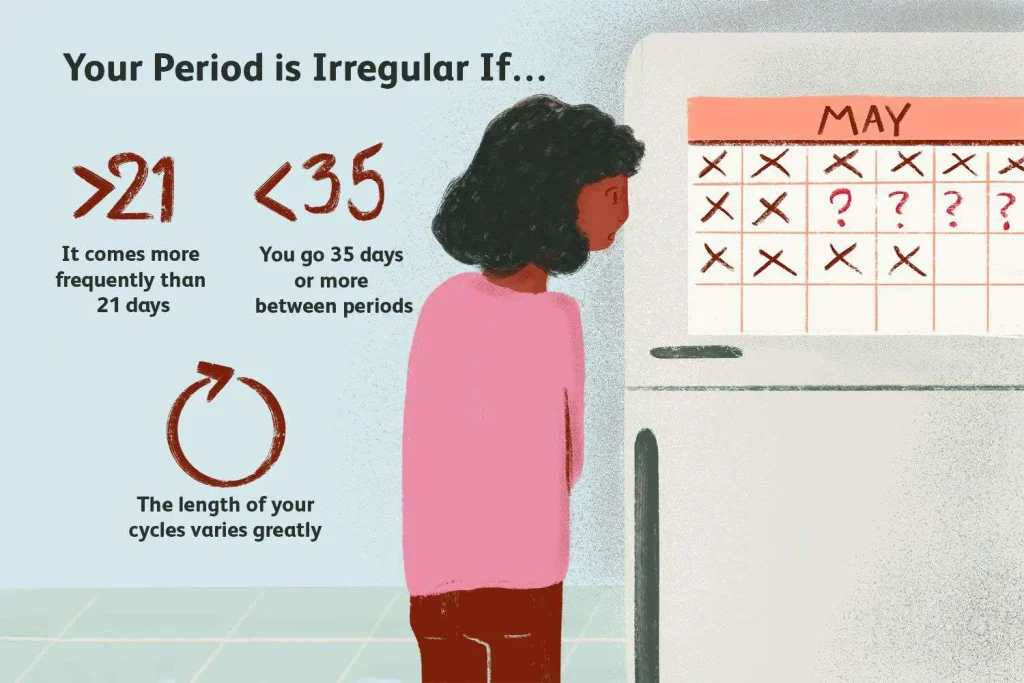
PCOS is a condition associated with insulin resistance, which can lead to type 2 diabetes over time. Women with PCOS often experience irregular periods, excessive hair growth, and weight gain. Early diagnosis of PCOS can help prevent the onset of diabetes through lifestyle changes and medical intervention.
3. Gestational Diabetes History

Women who develop diabetes during pregnancy (gestational diabetes) are at a higher risk of type 2 diabetes later in life. This temporary condition not only affects the mother but may also impact the child’s future health. Regular post-pregnancy screenings are essential to monitor blood sugar levels.
4. Sexual Health Issues
Diabetes can lead to reduced blood flow and nerve damage in the genital area, causing decreased lubrication and painful intercourse. This can significantly affect a woman’s quality of life, making it important to address these issues with a healthcare provider.

Conclusion
Understanding these gender-specific signs of diabetes can empower women to seek timely medical advice and manage their condition effectively. If you experience any of these symptoms, consult a healthcare professional for a thorough evaluation. Early intervention can make a significant difference in preventing complications.